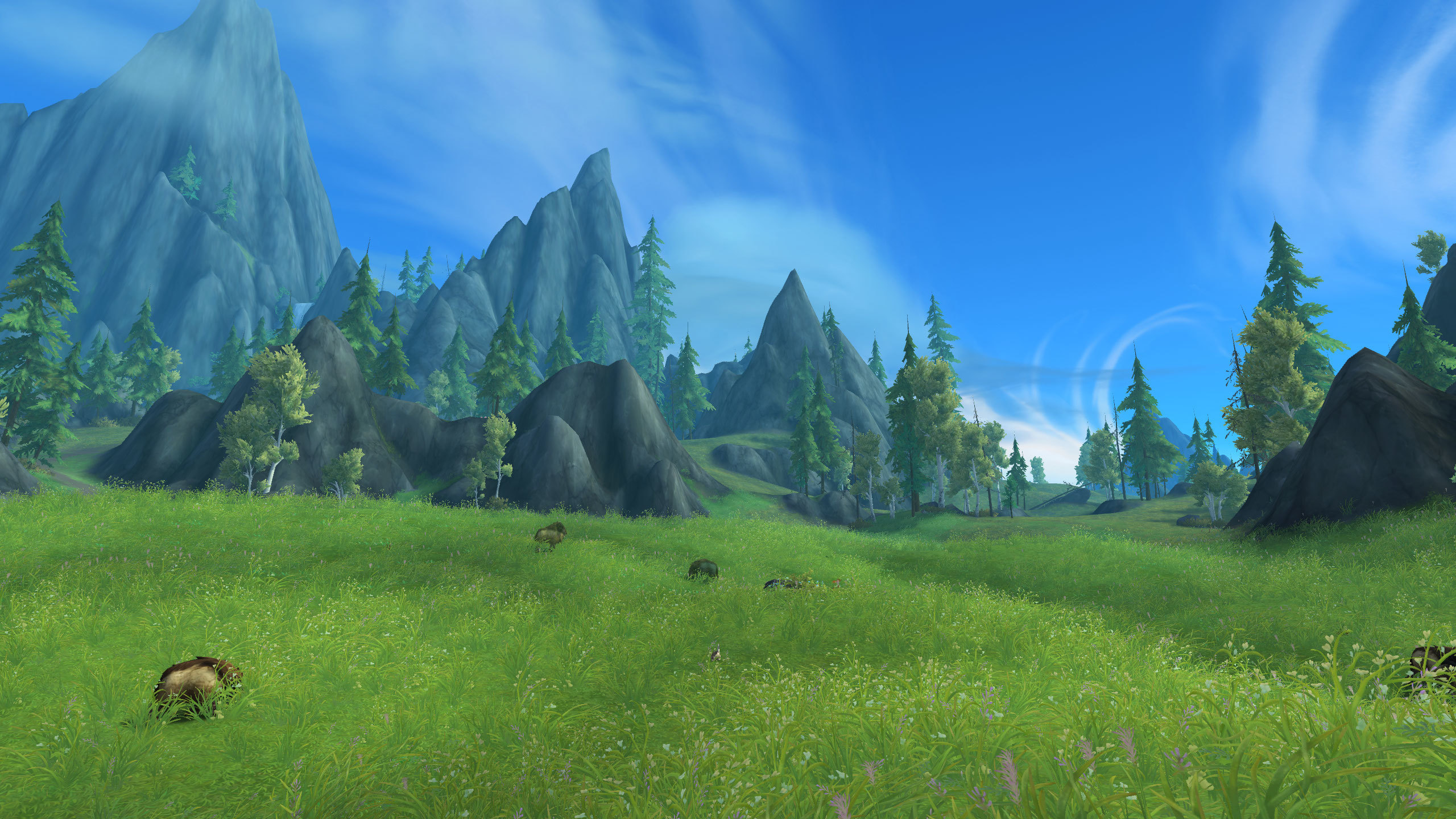
The world has always communicated its emotional tone through its landscapes. Every expansion reshapes the world not only through narrative, but through environment — color, scale, architecture, weather, and even skybox details tell a story long before a quest is accepted. Zones become emotional canvases, reflecting themes of hope, despair, renewal, corruption, or discovery. The land becomes the first storyteller.
This article explores how Azeroth’s landscapes mirror the emotional tone of each expansion, creating immersive worlds that resonate beyond their visual beauty.
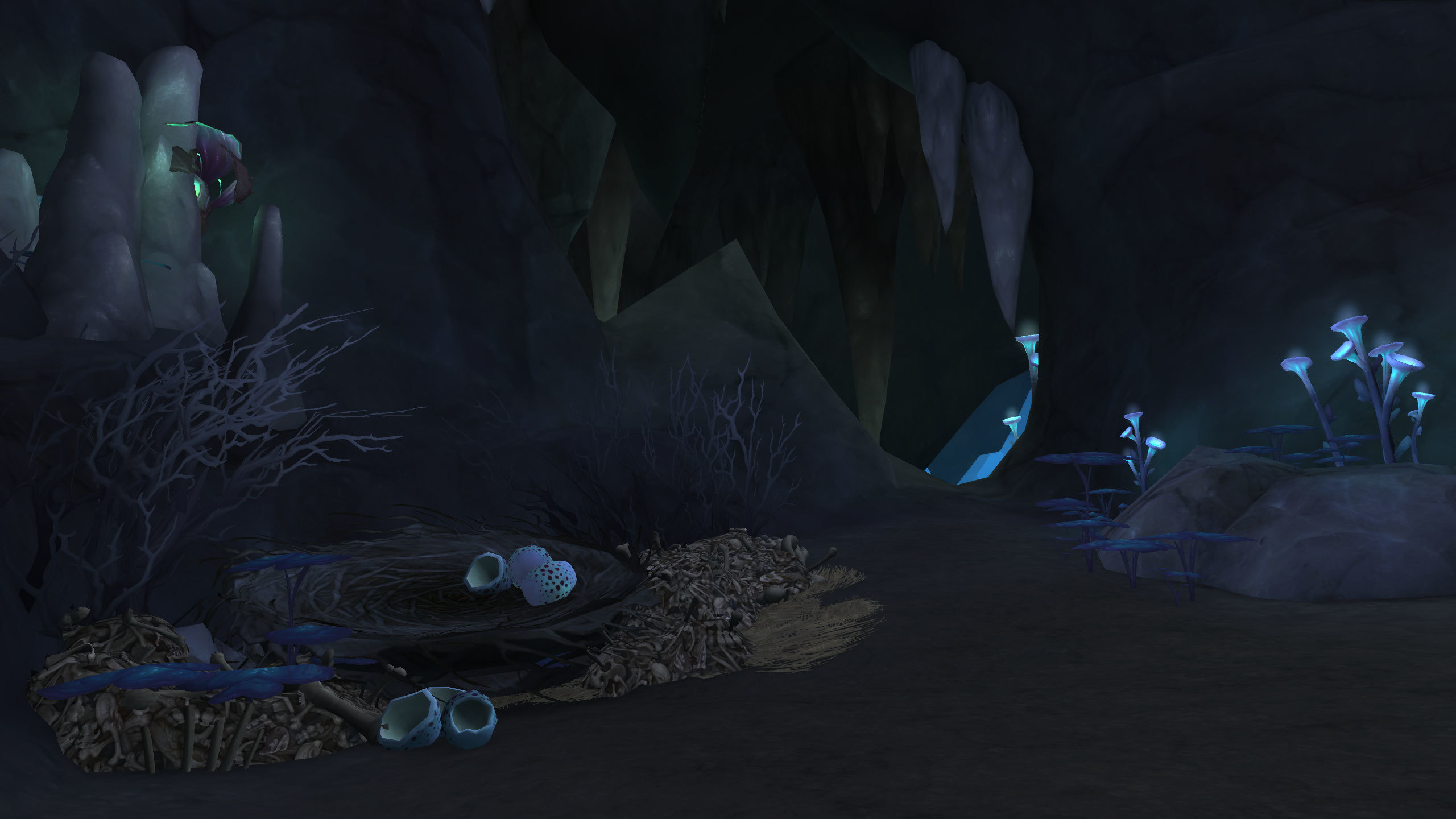
The Wrath of the Lich King: Cold, Isolation, and Grim Purpose
Northrend’s design reinforced themes of sacrifice, dread, and destiny. Frostbitten plains, towering fortresses, and harsh winds illustrated the emotional weight of facing the Lich King. The land felt mournful yet majestic — a place shaped by endless struggle. Every zone carried a quiet grief that made the campaign’s triumph bittersweet.
The cold wasn’t just weather; it was narrative atmosphere.
Cataclysm: Fractured Worlds and Chaotic Emotion
Shattered landscapes, scorched deserts, and upheaved terrain embodied disruption and instability. Even environments that once felt familiar became unpredictable, mirroring the emotional shock of a world upended. Cataclysm’s world design conveyed loss, urgency, and tension — a planet struggling to survive.
To illustrate how environments aligned with emotional tone, here is a breakdown of expansion themes:
- Cataclysm: Turmoil, upheaval, survival
- Mists of Pandaria: Peace, introspection, inner conflict
- Legion: Siege, desperation, cosmic threat
- BfA: Division, nationalism, escalation
- Shadowlands: Afterlife, judgment, isolation
- Dragonflight: Renewal, exploration, rediscovery
Mists of Pandaria: Serenity Veiling Inner Turmoil
Pandaria presented serene landscapes shaped by harmony and tradition, yet beneath the beauty lay themes of emotional unrest and cultural tension. Its lush valleys, golden fields, and misty peaks fostered calm, while deeper narratives revealed conflict rooted in emotion. The contrast between peace and internal struggle defined the continent’s identity.
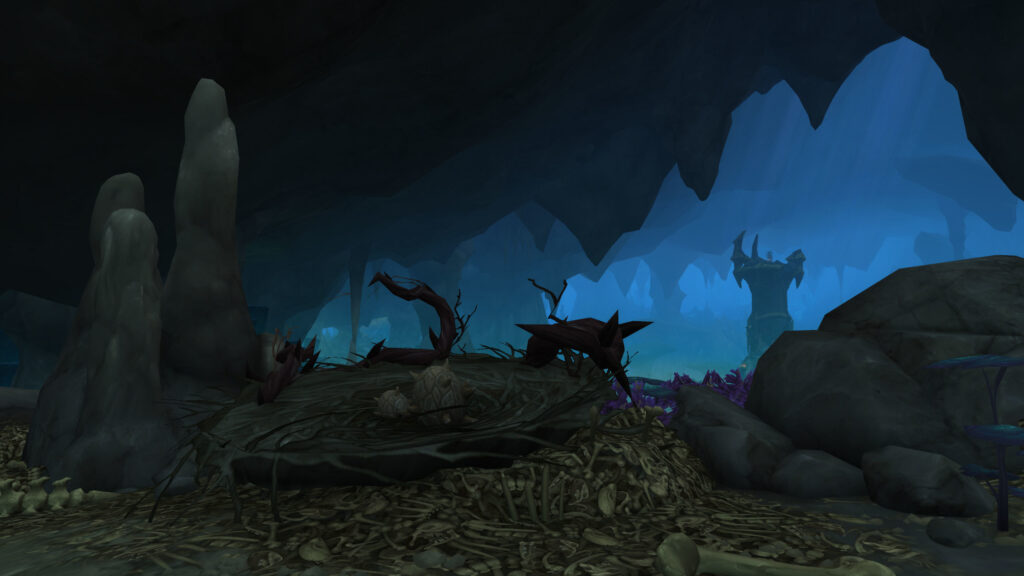
The land reflected balance strained by hidden storms.
Shadowlands: Emotion Through Structure and Tone
Shadowlands visual design communicated themes of judgment, decay, duty, and eternity. Each realm embodied a different emotional philosophy — Bastion’s order, Maldraxxus’ aggression, Ardenweald’s tranquility and sorrow, and Revendreth’s guilt. The zones became emotional archetypes, expressing the weight of afterlife purpose.
The environment itself felt philosophical.
Dragonflight: Hope Reborn Through Color and Sky
Dragonflight marked a return to vibrancy and optimism. Expansive skies, ancient sanctuaries, and vivid landscapes signaled renewal after heavy, existential narratives. The world breathed again — inviting players to rediscover exploration, flight, and the joy of open horizons. These zones radiated confidence, cultural revival, and rediscovered purpose.
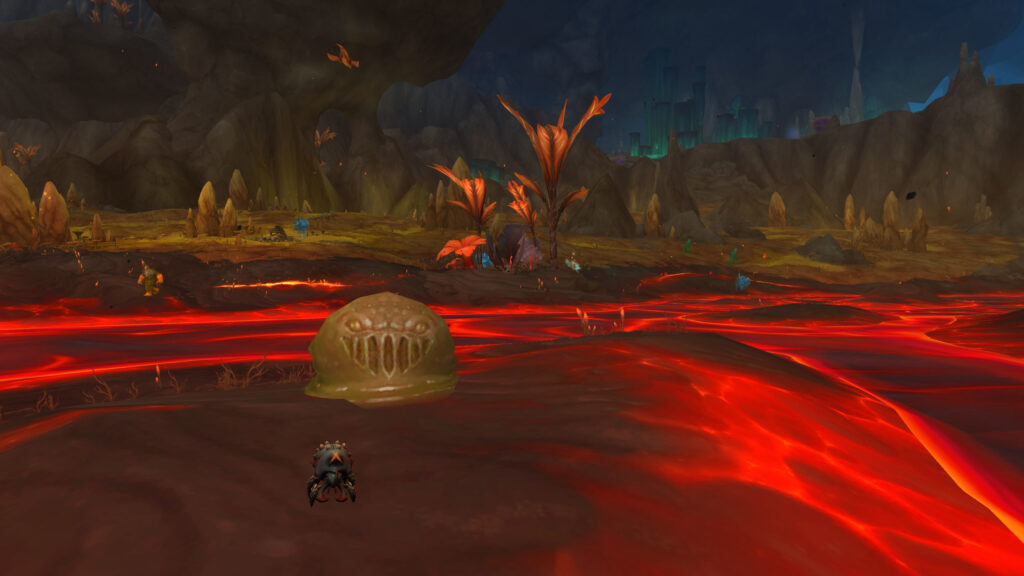
The land felt alive with possibility.
Why Environmental Emotion Matters
Zones resonate deeply when their emotional tone aligns with narrative arcs. Environments shape memory, influence pacing, and amplify story themes. Players remember how expansions felt — not just what happened. Through landscape, the world becomes an emotional guide, shaping immersion long before dialogue or combat begins.
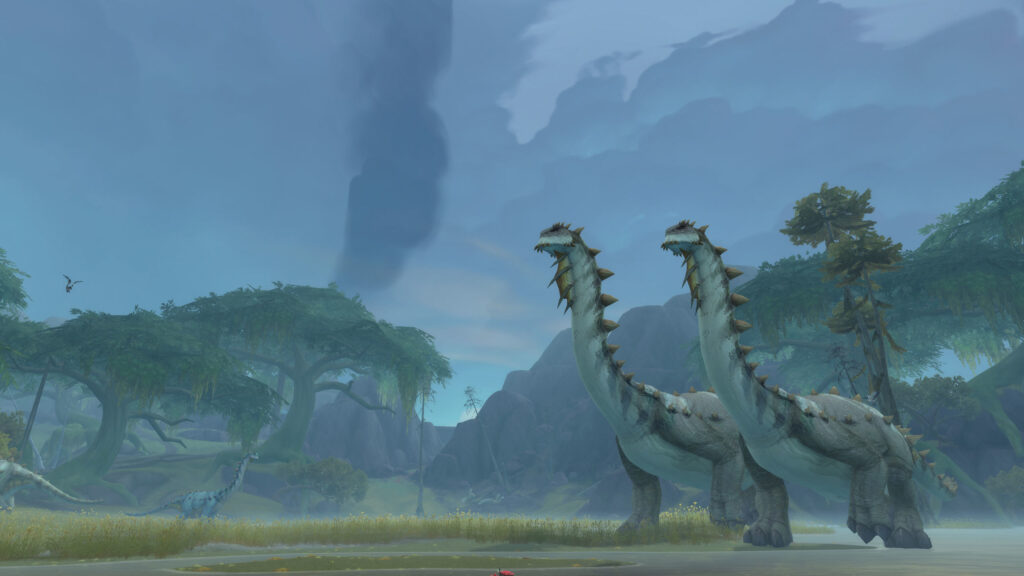
The land speaks, even when no character does.
Conclusion
Azeroth’s landscapes reflect the emotional tone of each expansion through color, structure, atmosphere, and world-building philosophy. These environments shape immersion by giving players emotional cues about conflict, hope, despair, or discovery. From Northrend’s cold tragedy to Dragonflight’s warm renewal, the land itself becomes a storyteller — one whose voice echoes through every journey.
Leave a Reply