World of Warcraft has survived for decades not through constant reinvention alone, but through carefully layered progression loops that reward steady commitment over time. These systems encourage players to return week after week, expansion after expansion, without demanding endless grinding in a single sitting.
This article explores how long-form progression loops sustain player engagement and why they remain central to the game’s lasting appeal.
Progression Designed Around Time, Not Speed
Unlike games that reward rapid completion, World of Warcraft builds progress around measured advancement. Weekly resets, incremental upgrades, and structured milestones ensure that progress feels earned rather than rushed.
This pacing allows players to step away without feeling left behind. Progress continues over time, not through constant pressure, creating a sustainable rhythm that respects long-term play.
Layered Systems That Reinforce Each Other
Long-form progression thrives on interconnected systems. Gear feeds into performance, performance unlocks higher challenges, and those challenges feed back into progression. Each loop supports the next, creating a sense of forward motion even during slower weeks.
Because progress is spread across multiple avenues, players always have meaningful goals available, regardless of their preferred content.
Emotional Investment Through Gradual Growth
Slow progression builds attachment. Watching a character grow over weeks creates emotional weight that instant rewards cannot replicate. Players remember when upgrades mattered, when improvements were noticeable, and when effort translated directly into power.
This emotional investment strengthens player identity, making progression feel personal rather than transactional.
Social Structures Anchored in Progression
Guilds, groups, and regular teams rely on shared progression schedules. Long-term goals align players, creating accountability and consistency. Progress becomes a group journey rather than an individual race.
These shared timelines reinforce community bonds and encourage players to return not just for rewards, but for the people they progress alongside.
Flexibility Without Loss of Purpose
Modern progression systems allow flexibility without removing structure. Players can choose how they engage while still moving forward. This balance keeps progression meaningful without becoming restrictive.
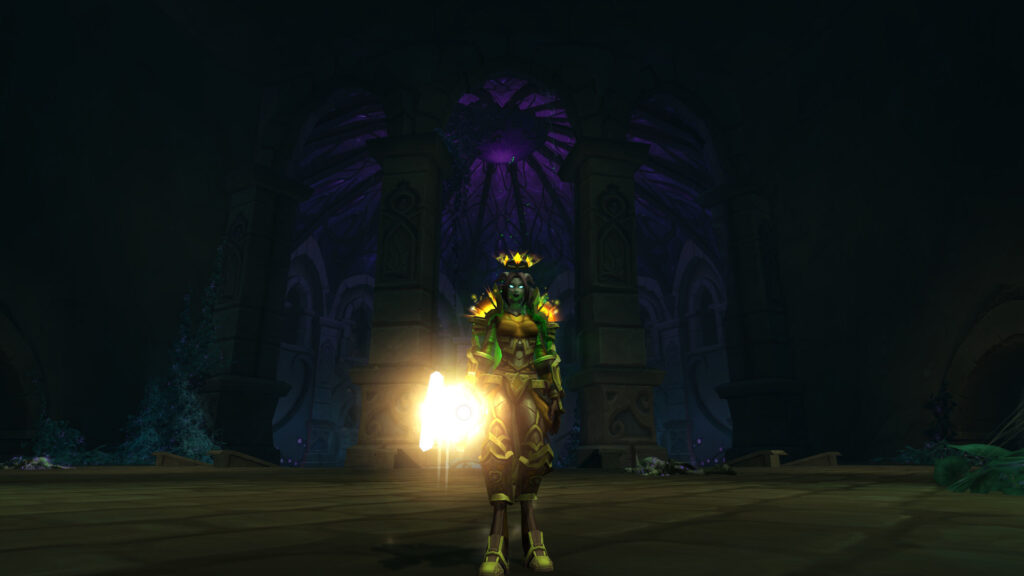
By offering multiple valid paths, the game adapts to changing player lifestyles while preserving long-term goals.
Conclusion
Long-form progression loops are the quiet foundation of World of Warcraft’s longevity. By valuing time, consistency, and shared experience, these systems keep players invested across years rather than weeks. They transform gameplay into a journey that grows alongside the player, sustaining engagement through thoughtful design rather than constant urgency.
Leave a Reply